Mini Split vs Central Air Which Cooling System Is Best for Your Home

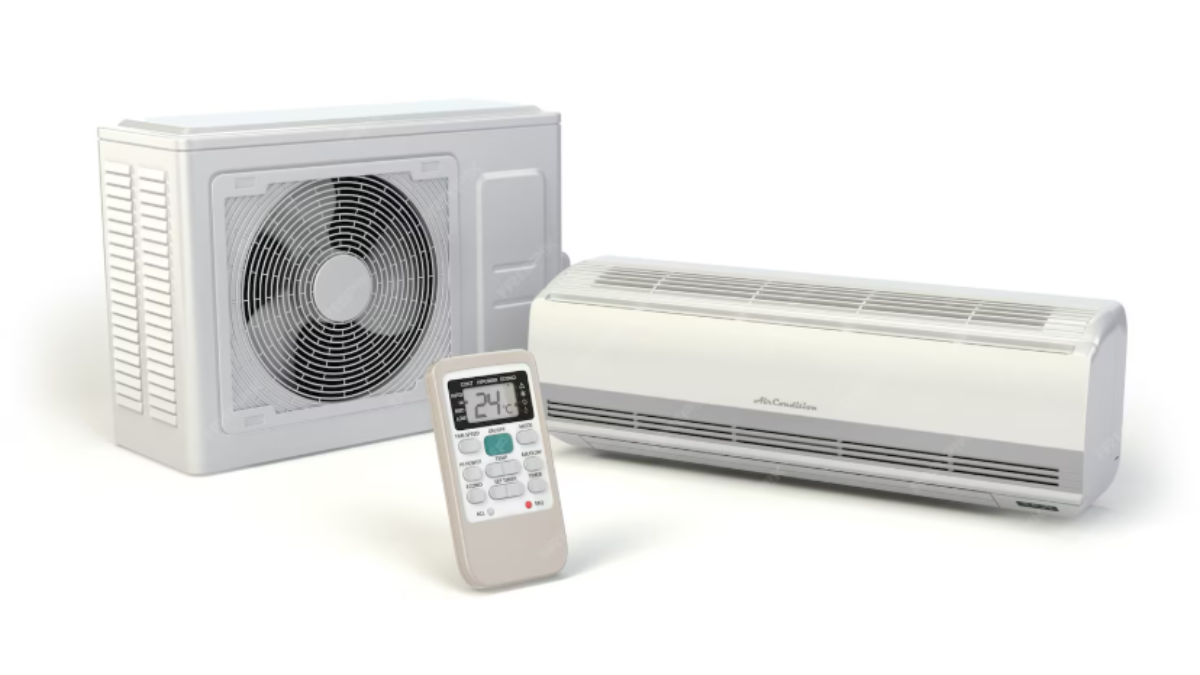
When it comes to home cooling solutions, two of the most popular choices are mini split systems and central air conditioning. Both offer distinct advantages, but which one is best for your home?
When it comes to home cooling solutions, two of the most popular choices are mini split systems and central air conditioning. Both offer distinct advantages, but which one is best for your home? This blog will compare mini split and central air systems by looking at key factors such as installation costs, efficiency, and long term benefits. We`ll also feature three high quality Pioneer Mini Split products, including the Floor Ceiling Mini Splits
What is a Mini Split System?
A mini split system is a ductless air conditioning solution that consists of an outdoor compressor unit and one or more indoor air handlers. These systems are known for their versatility, allowing homeowners to cool specific areas of their homes without relying on ductwork. They are particularly well suited for smaller homes, apartments, or spaces where installing ducts would be impractical.
Key Features:
- Ductless system: No need for complex duct installation.
- Flexible placement: Can be installed on walls, ceilings, or floors.
- Zone control: Offers the ability to cool specific rooms independently.
What is Central Air?
Central air conditioning systems use ductwork to distribute cooled air throughout an entire home. The system typically consists of a large outdoor unit that cools air and pushes it through a series of ducts to each room via vents. This type of system is common in larger homes and commercial buildings, offering a uniform cooling solution across multiple rooms.
Key Features:
- Duct based system: Relies on an extensive network of ducts to circulate air.
- Whole home cooling: Provides consistent cooling throughout the entire house.
- Single thermostat: One central control unit manages the entire system.
1. Installation Costs: Mini Split vs. Central Air
Mini Split Installation:
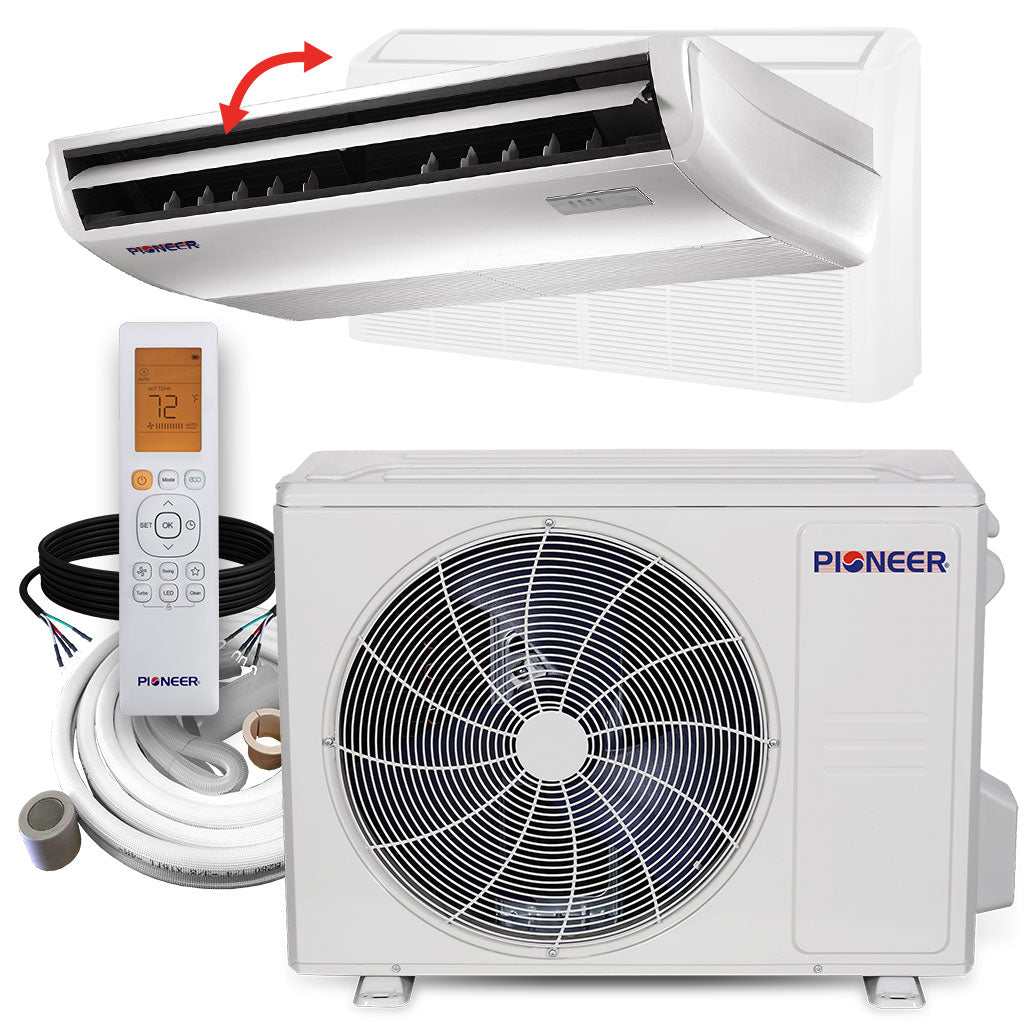
One of the biggest advantages of mini split systems is the ease of installation. Because they don`t require ductwork, the installation process is quicker and less invasive. Mini splits like the 24,000 BTU Floor Ceiling Mini Split from Pioneer can be installed on either the floor or ceiling, providing flexibility for different room layouts. For homes without pre existing ducts, this is an ideal solution, as installing ductwork can add thousands of dollars to the cost of central air conditioning.
Central Air Installation:
On the other hand, central air systems require a more complex installation process. If your home doesn`t already have ducts, you`ll need to factor in the significant cost of installing ductwork, which can range from $5,000 to $15,000 depending on the size of your home. Even homes with existing ducts may need duct repairs or upgrades to handle the demands of a new central air system.
Winner:
Mini Split systems have the edge when it comes to installation costs, especially for homes without pre installed ductwork.
2. Efficiency and Energy Consumption
Mini Split Efficiency:
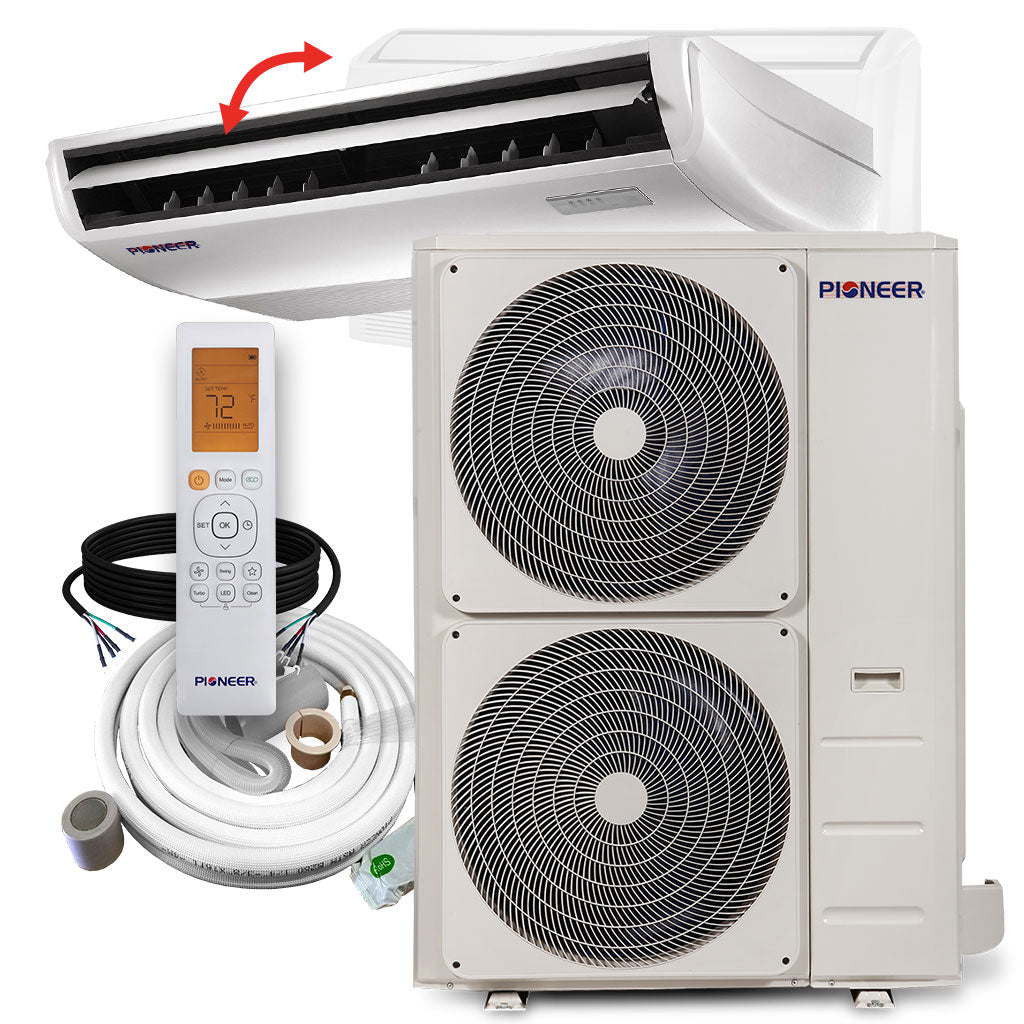
Mini splits are known for their energy efficiency, particularly because they allow for zoned cooling. This means you can cool specific rooms or areas of your home rather than wasting energy cooling the entire house. Systems like the 48,000 BTU 19 SEER Floor Ceiling Mini Split boast an impressive SEER (Seasonal Energy Efficiency Ratio) rating of 19, making them highly efficient at cooling while consuming less energy.
Additionally, mini splits don`t suffer from the same energy losses associated with ductwork in central air systems. According to the U.S. Department of Energy, ducts can account for up to 30% of energy loss, particularly if they are poorly insulated or located in unconditioned spaces like attics.
Central Air Efficiency:
While central air systems can efficiently cool large spaces, they are less energy efficient than mini splits when it comes to zoning and targeted cooling. Central air systems cool the entire house uniformly, even if only one or two rooms are occupied, leading to higher energy consumption. They also require regular duct maintenance to avoid air leaks and inefficiencies.
Winner: Mini Split
systems outperform central air when it comes to energy efficiency, especially for zoning and minimizing energy losses.
3. Long Term Benefits and Maintenance
Mini Split Long Term Benefits:
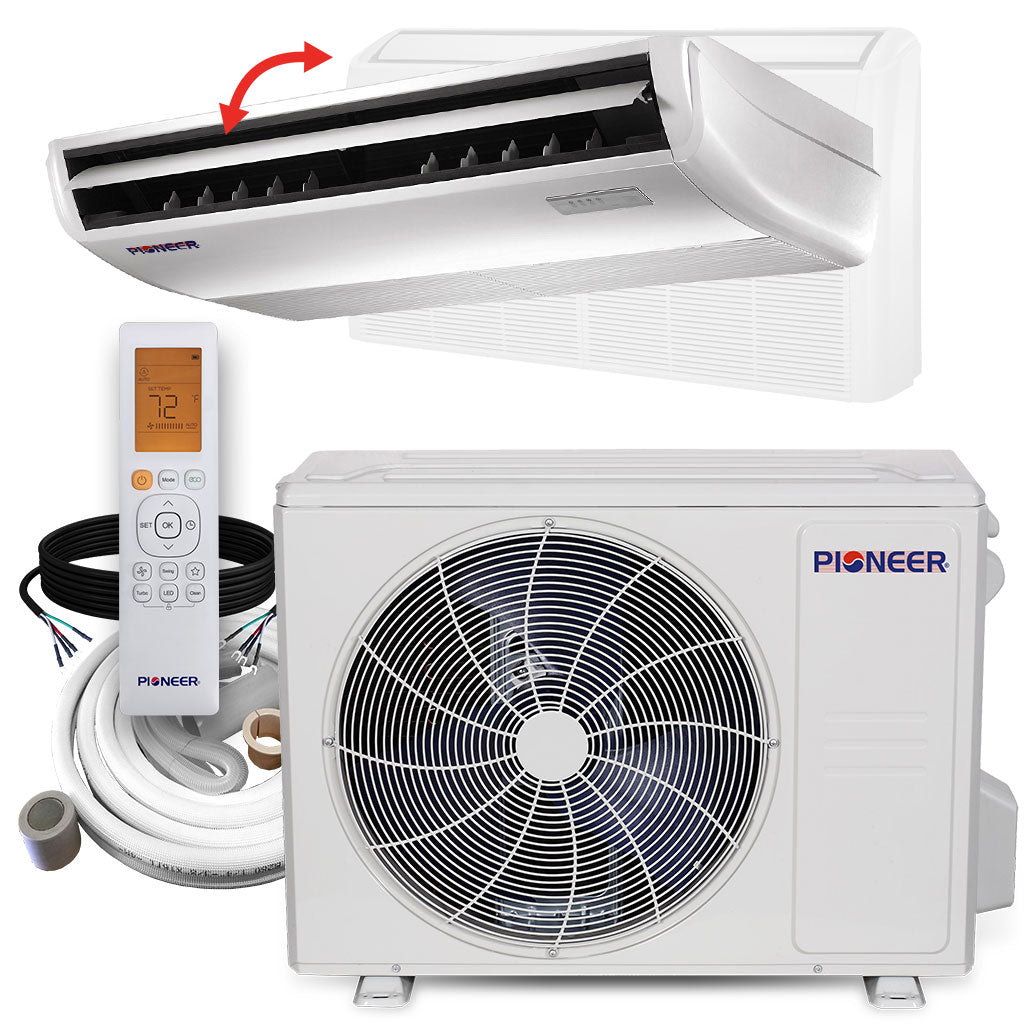
Mini splits offer excellent long term benefits in terms of both energy savings and maintenance. With systems like the 18000 BTU Floor Ceiling Mini Split, you have fewer components to maintain compared to central air. There are no ducts to worry about, and the individual air handlers can be easily cleaned and maintained.
Moreover, mini splits offer the added benefit of heat pump functionality, allowing you to use the system for both heating and cooling, thus replacing the need for separate heating systems in milder climates.
Central Air Long Term Benefits:
Central air systems also offer solid long term cooling solutions, especially for larger homes or spaces with pre existing ducts. However, they require more frequent maintenance, including duct cleaning, filter replacements, and regular servicing of the compressor and blower units. Over time, leaky or uninsulated ducts can drive up energy costs, and older systems may need to be replaced sooner than expected due to wear and tear on the ducts.
Winner:
While central air is reliable for larger spaces, mini split systems provide better long term value through lower maintenance needs and dual heating cooling functionality.
4. Noise and Aesthetics
Mini Split Noise Levels:
Mini split systems are quieter than central air systems because they lack a noisy indoor blower unit. The outdoor compressor is the primary source of noise, and indoor air handlers are designed to operate quietly, making them a good fit for bedrooms, offices, and living rooms. Pioneer`s mini splits, like the 24,000 BTU Floor Ceiling Mini Split, are engineered for minimal noise, ensuring a comfortable and peaceful environment.
Central Air Noise Levels:
Central air systems can be noisier due to the blower and ductwork. Air rushing through vents can sometimes produce an audible sound, and older central air systems tend to become louder over time. However, newer models have improved noise reduction features, though they may still not match the whisper quiet operation of mini splits.
Winner:
Mini Split systems are generally quieter and more discreet compared to central air systems.
Which System is Best for Your Home?
The decision between a mini split system and central air largely depends on your home`s size, layout, and specific cooling needs. If you`re looking for energy efficiency, targeted cooling, and lower installation costs, a mini split system like the Floor Ceiling Mini Split is a fantastic option. Homes without existing ducts or those wanting flexibility in cooling specific areas will benefit greatly from a mini split system.
For larger homes with existing ductwork, central air may be a better fit, offering consistent whole home cooling. However, if you`re concerned about energy efficiency and maintenance, a Pioneer`s high SEER mini split like the Floor Ceiling Mini Split could provide a more efficient and cost effective solution.
Ultimately, both systems have their advantages, but mini splits offer more flexibility, efficiency, and long term benefits for a wide range of homeowners. To make your space spacious and cozy,